
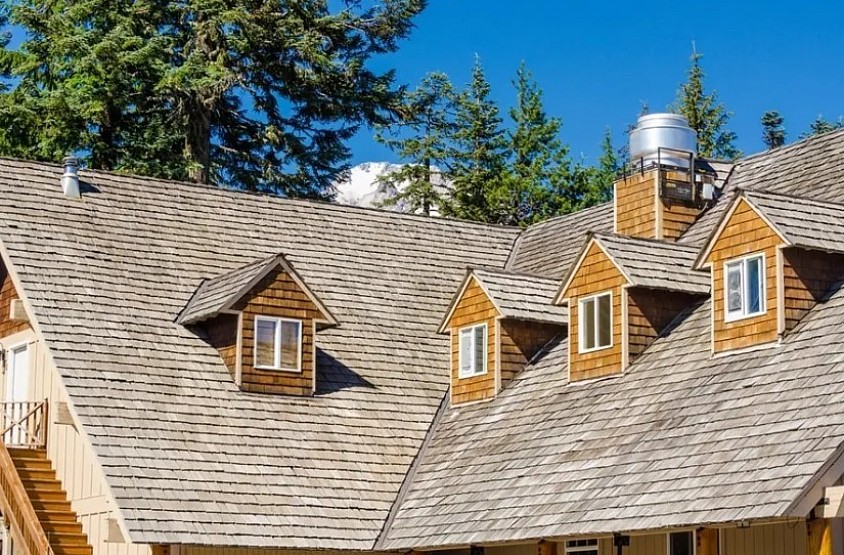
What homeowners should know before scheduling roof installation in Phoenix
Phoenix’s desert climate delivers intense sun, rapid temperature swings, dust storms, and seasonal monsoon winds—conditions that can take a toll on any roofing system. Planning and executing a project like roof installation phoenix calls for attention to materials, ventilation, and timing so the finished roof stands up to local weather while helping manage energy use. The points below outline practical considerations that help a project run smoothly and perform well for years.
1. Choose materials suited to heat and UV
High solar exposure accelerates wear on some roofing products. Materials with reflective surfaces, heat-resistant coatings, and stable pigments perform more predictably under Phoenix sun. Tile, metal, and certain asphalt shingles engineered for thermal stability are common choices. Beyond curb appeal, prioritize products rated for high-temperature environments and tested for wind resistance during monsoon season.
2. Select the right underlayment
Underlayment is a building block for durability in hot, dry climates punctuated by sudden storms. Synthetic underlayments handle heat better than some traditional felts and maintain strength when temperatures spike. In vulnerable valleys or low-slope transitions, consider self-adhered membranes to bolster water shedding and resist wind-driven rain.
3. Optimize attic ventilation
Balanced intake and exhaust ventilation reduces attic heat buildup, which helps protect shingles, improves comfort, and can support energy efficiency goals. Ensure soffit intake is unobstructed and matched to ridge or roof vent exhaust. Proper airflow also mitigates moisture accumulation that can degrade decking over time.
4. Plan around monsoon season
Weather windows matter. While roofing can proceed year-round, scheduling during calmer periods reduces the risk of wind-driven debris, sudden downpours, and project delays. If work must occur during monsoon months, crews typically stage materials to minimize exposure and secure open sections at day’s end for added protection.
5. Address flashing and transitions
Chimneys, skylights, parapet walls, and roof-to-wall intersections are frequent sources of leaks. Long-lasting systems rely on correctly lapped step flashing, properly formed counterflashing, sealed pipe boots, and secure valley metal. Given dust and shifting winds, meticulous detailing at every penetration helps keep water out when storms roll through.
6. Mind building codes and HOA guidelines
Permitting, material approvals, and color rules can influence timelines and product options. Confirm local code requirements for fire ratings, wind resistance, and ventilation, and verify neighborhood standards before ordering materials. Upfront coordination avoids costly rework and delays.
7. Compare tear-off versus overlay
Removing old roofing exposes the deck for inspection and repair, ensuring nails hold securely and surfaces are flat. While overlays may seem faster, they can mask underlying issues and add heat load. A full tear-off often provides the clean start needed for a high-performing system, especially in a climate with intense thermal cycling.
8. Consider cool roof options
Reflective shingles, tile finishes, and metal coatings can lower surface temperatures and reduce heat transfer. Pair cool surfaces with adequate insulation for a more complete approach to comfort and potential energy savings. Even small increments in reflectivity can make a noticeable difference on hot afternoons.
9. Prioritize site safety and cleanup
Clear access paths, protected landscaping, magnet sweeps for nails, and organized material staging keep the work area safer and reduce post-job surprises. Discuss how debris will be contained and hauled away, and confirm daily site tidying to protect driveways, patios, and walkways.
10. Plan for maintenance from day one
After installation, periodic inspections help spot minor issues before they become major repairs. Check for cracked sealant at flashings, ensure vents remain clear, and remove windblown debris from valleys. After strong storms, a quick visual check or professional lookover can preserve roof life.
A roof in Phoenix must do more than look good; it has to contend with relentless UV, gusty winds, and sudden downpours. By focusing on material performance, ventilation, weather timing, and precise flashing details, homeowners set the stage for a roof that safeguards the home and stands strong through the hottest days and stormiest evenings.
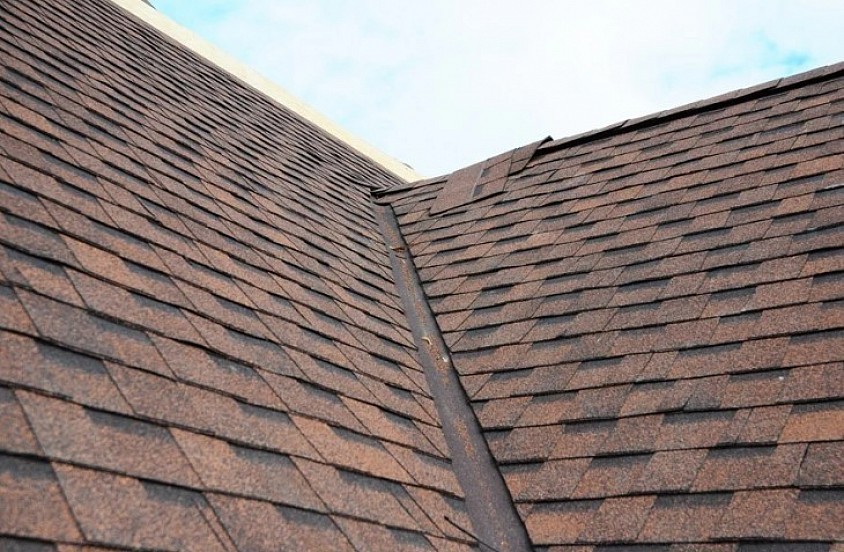
Sun-Hardened Roofs: Planning a resilient roof replacement phoenix project
Desert sun, monsoon bursts, and wide temperature swings shape every decision a homeowner makes about roofing in the Valley. Thoughtful planning helps align materials, installation practices, and maintenance with the region’s realities. When you approach a roof replacement phoenix project with climate-smart considerations, you can extend service life, protect curb appeal, and reduce future headaches.
1) Evaluate climate stressors before design
Phoenix roofs endure intense UV exposure, thermal expansion, and sudden rain events. Start by inventorying shade patterns, prevailing winds, and drainage paths. Pay special attention to areas that collect dust and debris—these can trap moisture during storms. Your assessment should guide choices in color, material weight, underlayment type, and flashing details, ensuring each component counters heat, wind, and water.
2) Prioritize heat-reflective materials
Light-colored or reflective surfaces help roofs run cooler under relentless sun. High-albedo shingles, tiles with reflective glazes, and coated metal panels limit heat absorption that can age materials prematurely. Pair these with radiant barriers or appropriate insulation to reduce attic temperatures. The cooling effect may also ease strain on HVAC systems, helping interiors feel more stable during triple-digit streaks.
3) Choose underlayment built for extremes
Underlayment is a roof’s unsung hero. In desert conditions, look for products rated for high temperatures and prolonged UV exposure during installation. Synthetic options often provide strong tear resistance and dimensional stability, while peel-and-stick membranes create added protection around valleys, eaves, and penetrations. The right underlayment works as a secondary shield when wind-driven rain sneaks past outer layers.
4) Detail flashings for monsoon resilience
Most leaks start at transitions. Kickout flashings, step flashings along sidewalls, and properly lapped valley metals are critical lines of defense. Ensure counter-flashings at stucco or masonry are integrated correctly, with sealants suited for thermal movement. Pay attention to satellite mounts, skylights, and vents; dedicated flashing kits and boots prevent water intrusion when sudden storms arrive.
5) Ventilate and insulate in balance
Balanced intake and exhaust ventilation helps control attic moisture and temperature swings. Soffit vents paired with ridge or low-profile vents encourage continuous airflow. Complement ventilation with appropriate insulation levels and air sealing around penetrations. This harmony reduces heat buildup beneath the roof deck, supports material longevity, and enhances indoor comfort through seasonal shifts.
6) Plan for debris management and drainage
Dust, leaves, and seed pods can block scuppers, clog gutters, and collect in roof valleys. Incorporate screens or guards that withstand sun and heat, and design pathways that keep water moving off the roof swiftly. During installation, verify slopes are adequate and ponding-prone sections are addressed. Good drainage preserves surfaces, reduces leak risks, and prevents unsightly staining.
7) Schedule seasonal inspections and upkeep
After installation, set a maintenance rhythm. Inspect before monsoon season and again after significant storms. Look for lifted edges, cracked sealant, displaced tiles or shingles, and debris buildup. Early attention can prevent small issues from becoming costly repairs. Keep records of each inspection and any adjustments made; a clear history supports smart decisions over the roof’s life.
A successful project blends durable materials, meticulous detailing, and steady maintenance tuned to desert conditions. Color and reflectivity can mitigate heat, while high-temperature underlayment and robust flashing guard against sudden downpours. Balanced ventilation and thoughtful drainage planning keep the system healthy under day-to-day stress. Most importantly, consistent checkups maintain integrity long after crews leave. By aligning selection, installation, and care with Phoenix’s unique climate, homeowners establish a stronger foundation overhead—one prepared to handle sun-drenched days, fast-moving storms, and everything between.